
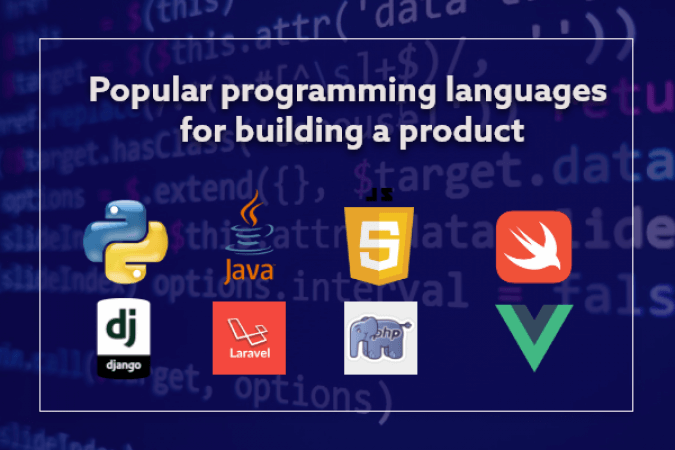
Building a software product today feels like trying to hit a moving target. By 2026, the combination of "long-standing stability" and "aggressive innovation" means that your choice of language will define the success or technical debt of your product.
Choosing the right programming language is one of the most critical decisions when building a digital product. The language you select directly impacts your product’s scalability, performance, development speed, hiring cost, and long-term success.
Whether you're building a SaaS platform, AI application, startup MVP, or enterprise system, selecting the right programming language ensures faster development, easier maintenance, and better scalability.
In this guide, you’ll discover the best programming languages for product development in 2026, including expert recommendations based on product type, scalability, and startup needs.
Most Popular Programming Languages in 2026
Here are the most recommended programming languages for modern product development:
1. Python: The Uncontested King of AI and Data
If your product involves Artificial Intelligence, Machine Learning, or Big Data, Python is your first choice.
Python holds a 23.28% share on the TIOBE index as of 2025 and is the most used language on GitHub. 42% of recruiters are currently seeking Python skills. Its simplicity allows for rapid prototyping, and its massive library ecosystem (TensorFlow, PyTorch) means you aren't reinventing the wheel.
Best For: AI applications, Data-driven products, Web APIs, SaaS platforms, and MVP development.
Advantages:
- Fast development
- Huge ecosystem
- Easy to hire developers
- Excellent scalability
Companies using Python: Instagram, Spotify, Dropbox.
Practical Example:
Building a SaaS that uses generative AI to automate customer service. Python’s integration with AI APIs and frameworks makes it the fastest route to market.
2. JavaScript & TypeScript: The Web Ubiquity Duo
For front-end and full-stack web applications, JavaScript remains indispensable, powering 98% of websites globally. In 2025, TypeScript became the 1st language on GitHub by contributors. It adds "static typing" to JavaScript, which is fancy talk for catching bugs before they crash your app. If you need a rich, interactive user interface (UI), frameworks like React or Angular are the standard.
Best For: SaaS, MVP, and Web applications (front-end & full-stack)
Advantages:
- Full-stack development capability
- Massive developer ecosystem
- Fast development
Companies using Python: Netflix, Uber, LinkedIn.
Practical Example:
A fintech dashboard that needs real-time data visualization. Use TypeScript to ensure that complex financial calculations don't break due to simple coding errors.
3. Go (Golang): The Cloud-Native Scaler
Created by Google, Go is designed for high-throughput, cloud-native backend systems. By early 2025, Go rose to the 7th position in global popularity. It is the language of "concurrency," handling thousands of tasks at once with ease. It is perfect for microservices and DevOps tools. If you expect your product to scale to millions of users, Go keeps your infrastructure costs low with high performance.
Best For: Microservices, SaaS platforms, Cloud applications, High-scale systems
Advantages:
- Extremely fast
- Efficient resource usage
- Excellent scalability
Companies using Python: Google, Uber, Twitch.
Practical Example:
A high-frequency ride-sharing app or a real-time messaging platform where low latency and high concurrency are non-negotiable.
4. Rust: The Performance & Safety Powerhouse
Rust is one of the fastest-growing programming languages and is widely preferred for building high-performance, secure, and scalable systems. Rust is the most admired language, according to developer surveys, with an 83% admiration rating. It is increasingly used for systems where security and performance are the top priorities, such as blockchain and IoT. Rust provides memory safety without a garbage collector, meaning it is as fast as C++ but much harder to break.
Best For: Systems, Security. Scalable SaaS.
Advantages:
- Extremely fast and memory-efficient
- Memory safety.
- Highly secure.
- Excellent performance.
Companies using Python: Microsoft, Google, Amazon Web Services, Cloudflare.
Practical Example:
A secure cryptocurrency wallet or a high-performance game engine where even a millisecond of lag or a minor memory leak could be catastrophic.
5. Java: The Enterprise Workhorse
For large-scale, enterprise-grade applications, Java remains the reliable solution. Java consistently ranks in the top 5 languages globally and is used by 30% of professional developers. It offers unmatched stability and a mature ecosystem for complex business logic, especially in banking and insurance.
Best For: Enterprise SaaS, Banking systems, Large platforms
Advantages:
- Excellent scalability
- Strong security
- Large ecosystem
Companies using Python: Amazon, LinkedIn, Netflix.
Practical Example:
A massive ERP system for a global manufacturing company that requires 99.99% uptime and rigorous security features.
Best Programming Languages for SaaS Development
SaaS applications require scalability, performance, and fast development.
JavaScript & TypeScript
- Best for modern web applications
- Large developer ecosystem
- Excellent scalability using Node.js
Python
- Fast development speed
- Ideal for startups and MVPs
- Excellent backend frameworks like Django and FastAPI
Go
- Excellent for scalable SaaS platforms
- High performance and efficiency
- Used by Google, Uber, and Netflix
Java
- Ideal for enterprise SaaS platforms
- Highly scalable and secure
Best Programming Languages for Startup MVP Development
Startups need fast development and flexibility.
Python
- Fastest development speed
- Easy to hire developers
- Ideal for MVPs and startups
JavaScript
- Full-stack development capability
- Large talent pool
- Ideal for web-based MVPs
Ruby
- Extremely fast MVP development
- Used by companies like Airbnb and Shopify
Best Programming Languages for AI Product Development
AI applications require high-performance data processing.
Python (Best overall)
- Used by AI leaders worldwide
- Supports TensorFlow, PyTorch, and OpenAI tools
- Huge ecosystem
C++
- High performance
- Used for AI infrastructure
Java
- Enterprise AI solutions
Best Programming Languages for Scalable Backend Systems
If scalability is your priority, choose:
Go
- Excellent performance
- Cloud-native architecture
- Used by modern tech companies
Java
- Enterprise-grade scalability
Rust
- Extremely high performance
- Memory-safe and efficient
Best Tech Stacks Used by Modern Startups
Here are proven tech stacks used by successful startups:
- SaaS platform—React + Node.js + PostgreSQL.
- AI platform—Python + FastAPI + PostgreSQL.
- Marketplace—Next.js + Node.js.
- Enterprise system—Java + Spring Boot.
- Scalable backend—Go + Kubernetes.
How to Choose the Right Programming Language for Your Product
Selecting the right programming language is essential for ensuring your product’s performance, scalability, and long-term success.
Here are the key factors every founder and product owner should consider:
1. Product Type
The type of product you’re building determines the most suitable programming language. For example, JavaScript and Python are ideal for SaaS platforms, Python is best for AI applications, and Java or C# is preferred for enterprise software due to their stability and scalability.
Example: SaaS → JavaScript, Python AI → Python Enterprise → Java, C#
2. Scalability Requirements
If your product is expected to grow rapidly and handle a large number of users, choose scalable languages like Go, Java, or TypeScript, which are designed to support high-performance and large-scale systems.
If you expect high growth, choose: Go, Java, TypeScript
3. Development Speed
For startups and MVP development, faster development is critical. Languages like Python, JavaScript, and Ruby allow rapid prototyping, helping you launch your product quickly and validate your idea faster.
For fast MVP development: Python, JavaScript, Ruby.
4. Developer Availability
Choosing a language with a large developer community, such as JavaScript, Python, or Java, makes it easier to hire developers, reduce hiring costs, and ensure long-term support for your product.
Choose languages with large talent pools: JavaScript, Python, Java
5. Maintenance and Long-Term Support
For products that require stability, security, and long-term maintenance, enterprise-grade languages like Java, C#, and Go are excellent choices due to their reliability and strong ecosystem support.
Enterprise-grade languages: Java, C++, Go.
Programming Language Trends Every Founder Should Know in 2026
Understanding programming language trends helps founders choose future-proof technologies that support scalability, performance, and long-term product growth.
Here are the key trends shaping modern software development:
Python Dominates AI Development
Python remains the leading language for AI and machine learning due to its powerful frameworks, large ecosystem, and strong adoption across startups and tech companies.
TypeScript Replacing JavaScript for Scalable Applications
TypeScript is becoming the preferred choice for modern web and SaaS applications because it offers better code structure, type safety, and easier maintenance than traditional JavaScript.
Go Rapidly Growing for Backend Systems
Go is gaining popularity for backend and cloud development because of its high performance, scalability, and efficiency in handling large-scale distributed systems.
Rust Adoption Increasing for Performance-Critical Systems
Rust is rapidly adopted for infrastructure and high-performance applications because it provides excellent speed, memory safety, and reliability without compromising performance.
Java Remains Strong for Enterprise Applications
Java continues to be a top choice for enterprise software due to its proven scalability, strong security, and long-term reliability for large, complex systems.
Need Help Choosing the Right Programming Language for Your Product?
At Codeshaper, we help startups and SaaS companies choose the best tech stack and build scalable, high-performance products.
Our services include:
- MVP development
- SaaS development
- AI platform development
- Dedicated development team augmentation
CodeShaper's IT professionals will help you to select the best technologies based on your product goals, scalability needs, and budget.
Contact Codeshaper today to build your product with the right technology stack.
Frequently Asked Questions (FAQ)
Q: Which programming language is best for AI in 2026?
A: Python is the leading language for AI and machine learning due to its extensive library support (TensorFlow, PyTorch) and its dominance in data science communities.
Q: Should I use JavaScript or TypeScript for my startup?
A: While JavaScript is essential, TypeScript is recommended for new products in 2026. It reduces bugs in large codebases and has become the default for major frameworks like Next.js and Angular.
Q: Is Java still relevant for new products in 2026?
A: Yes. Java remains highly relevant for enterprise-level applications, high-security financial systems, and Android development due to its stability and scalability.
Q: What is the highest-paying programming language?
A: According to 2025 data, languages like Rust, Go, and Ruby tend to command the highest salaries, often exceeding $150,000 annually for experienced developers.